
Many people who want careers in health care prefer training that is practical, targeted, and fast enough to get them into the workforce sooner. These programs usually include a mixture of hands-on instruction and courses that provide students with knowledge used in clinical settings. Students gain insight into the inner workings of dental offices, patient care delivery, and the teamwork that occurs within dental teams each day at work, all in a short time.
The 13-week program is structured to teach you the fundamental clinical, administrative, and communication skills required in a dental practice. From learning about dental procedures to assisting and sterilization, students develop the relevant skills for the field with a background. Kyle dental assisting school programs typically involve a mix of classroom learning and hands-on training in actual dental offices so students can learn how contemporary dental facilities operate.
Understanding Dental Instruments and Equipment
Every day, dental assistants work alongside numerous instruments and tools that aid in dental procedures. Understanding how these instruments work also helps students learn how treatment flows through a dental office, she says. At an early stage of training, the focus is on recognizing tools and setting them up properly to ensure procedures run smoothly.
Students at a dental assisting school in Kyle generally learn the following:
- Instrument Identification: Students learn to identify common dental tools, such as mirrors, explorers, scalers, forceps, and handpieces, used in various procedures.
- Tray Preparation: We train to organize procedure trays, so instruments are ready before the patient arrives.
- Equipment Handling: Students are taught to use suction systems, curing lights, and dental handpieces properly.
- Procedure Readiness: Knowledge of which instruments are used in different treatments makes it easier for an assistant to predict what the dentist will need.
Infection Control and Sterilization Practices
In dentistry, having a clean clinical environment is crucial. Dental assistants help ensure strict hygiene standards are maintained in treatment areas. Training teaches students about infection prevention protocols that protect both patients and dental teams.
Key areas covered include:
- Hand Hygiene Protocols: Students are taught proper handwashing and sanitizing techniques required before working with a patient and after they have finished.
- Instrument Sterilization: Training includes cleaning, disinfecting, and sterilizing dental instruments with approved sterilization equipment.
- Treatment Room Preparation: Students are taught how to disinfect surfaces and prepare operatories after each patient.
- Protective Equipment Use: Using gloves, masks, goggles, and protective clothing is part of being safe in a dental setting day-to-day.
Chairside Assisting During Dental Procedures
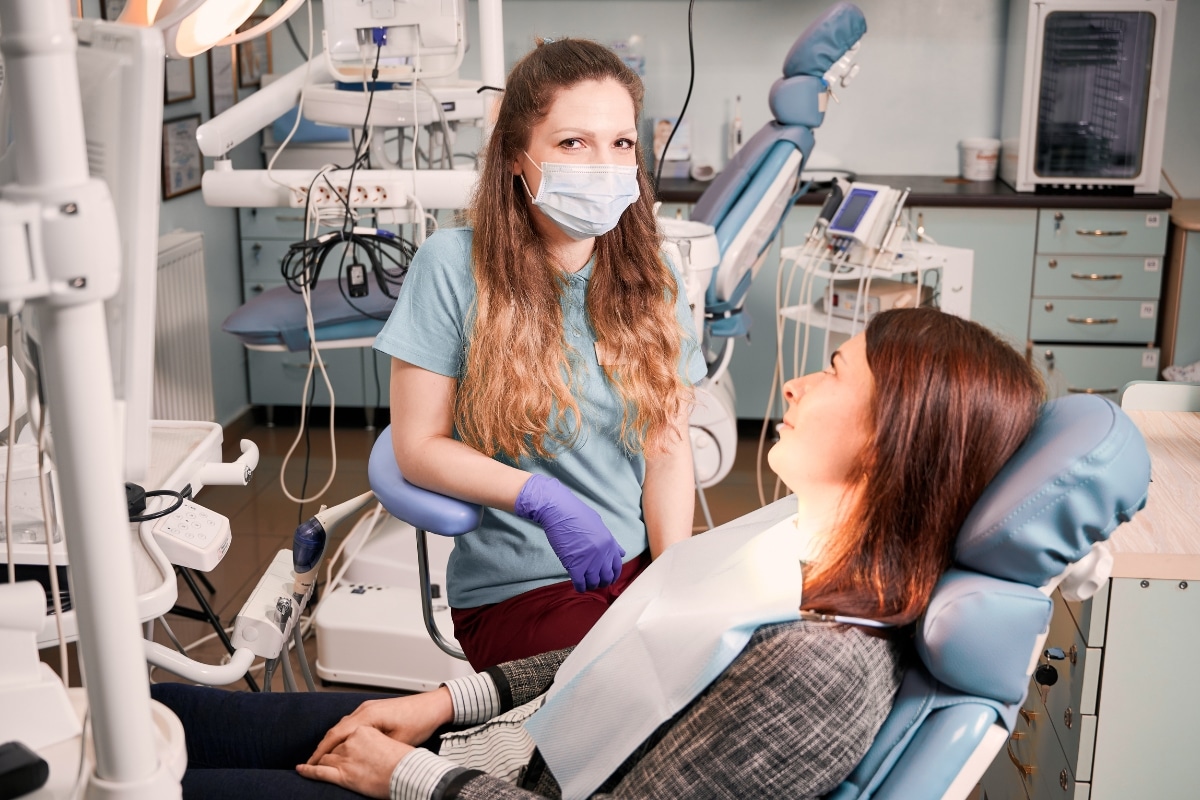
Chairside assisting is a pivotal role in any dental office. Assistants aid the dentist during procedures while assisting to keep patients comfortable. This training helps students understand how to assist efficiently across different treatments.
Chairside techniques taught to students include:
- Instrument Transfer: Assistants learn to safely pass instruments during procedures without interfering with the flow of treatment.
- Suction Operation: It allows the dentist to see clearly and keep treatment areas clear.
- Material Preparation: Initially, students are taught to mix the dental materials used in fillings, impressions, and other procedures.
- Patient Comfort Support: Assistants help keep patients calm and informed throughout treatment.
Patient Communication and Care
Dental practices see patients of all ages, many of whom are anxious before treatment. A dental assistant is instrumental in creating a calm, inviting atmosphere. Training provides tools and communication strategies to ensure patients feel their questions are addressed.
Important areas of focus include:
- Patient Greeting and Preparation: Students are learning how to greet patients and lead them back into treatment rooms.
- Procedure Explanation: Clear communication is an effective way to prepare patients for what to expect during their appointment.
- Comfort Support: Assistants help ease anxiety by walking and explaining steps, as well as checking on patients during treatment.
- Post-Treatment Guidance: Assistants may assist with postprocedural instructions.
Dental Office Administration
Just like any successful business, a dental practice operates with structured processes to schedule appointments, record information, and communicate with patients. Dental assistants also often help with these administrative tasks in addition to clinical roles.
Training teaches students how to perform common front-office tasks, including:
- Appointment Scheduling: Students learn how dental offices fill patient schedules throughout the day.
- Patient Record Updates: Part of the training consists of accurate patient charts and records.
- Dental Terminology Use: Knowledge of dental terminology enables assistants to accurately record treatment and procedure details.
- Office Coordination: Students are learning how communication between the front and clinical teams keeps a practice running efficiently.
Dental Radiography Basics
Dental radiographs enable dental professionals to detect problems that are not visible during a clinical examination. Dental assistants frequently assist in obtaining these images, which must be done safely and precisely. Training prepares students to take dental radiographs in accordance with safety guidelines.
And students learn about topics like:
- Patient Positioning: Correct positioning provides clear images of the teeth and supports proper diagnosis.
- Equipment Setup: Students are trained in preparing the radiography equipment prior to imaging.
- Radiation Safety: Training highlights protective practices that minimize unnecessary exposure.
- Digital Image Processing: It teaches students how dental images are reviewed and stored in digital systems.
Laboratory Procedures and Materials
Often, dental offices perform mini-laboratory procedures to assist in preparing restorations and appliances. Dental assistants assist with these so that everything is ready for treatment.
Students learn laboratory procedures, including:
- Dental Impression Preparation: How impressions for crowns, bridges, or other restorations are taken.
- Dental Material Mixing: Training includes how to properly prep any instruments used during treatments.
- Temporary Restoration Assistance: Assistants can help prepare temporary restorations needed for certain procedures.
- Model Preparation: Impressions are used to create dental models, which students learn about.
Building Confidence Through Hands-On Training
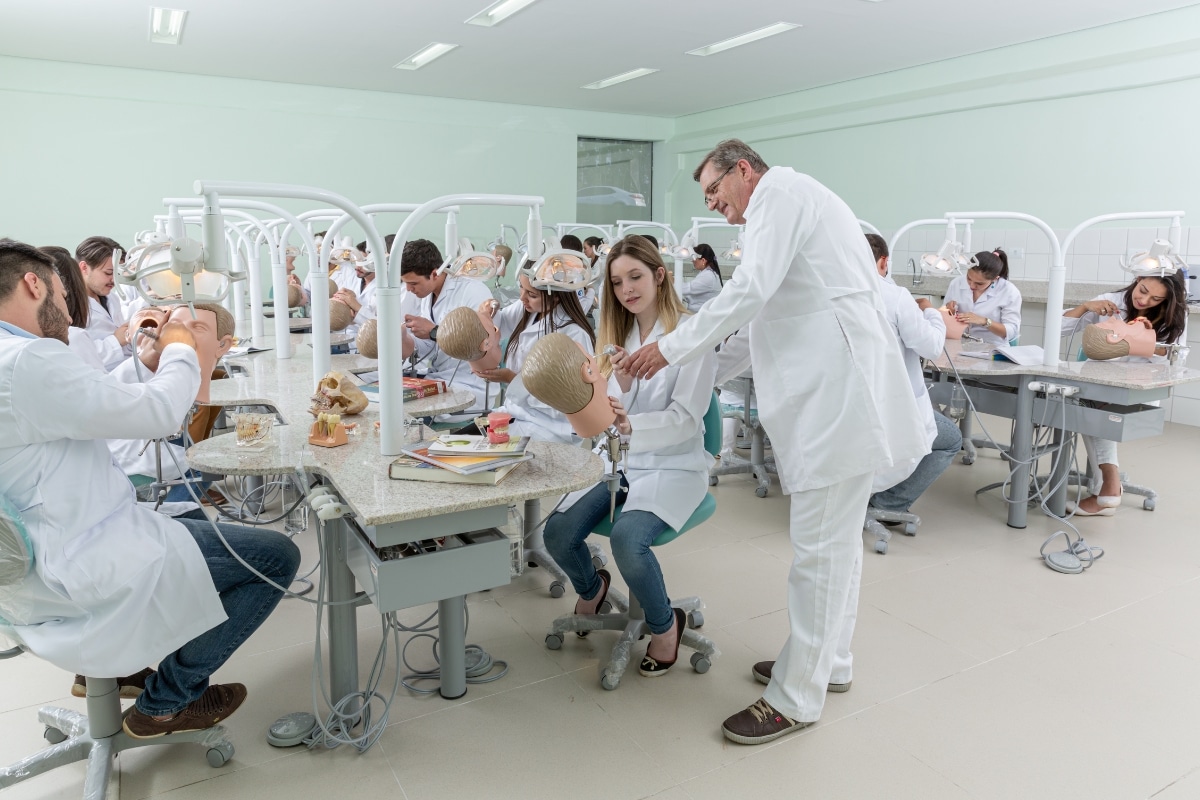
Hands-on training is necessary for students to be ready to work in dental practices. This practice will help students get comfortable with the day-to-day workings of a dental practice environment.
Students gain confidence through activities such as:
- Procedure Practice: Students practice chairside assisting techniques during mock procedures.
- Room Preparation Training: Students simulate setting up treatment rooms for various appointment types.
- Sterilization Routine Practice: Training consists of practicing sterilization procedures over and over.
- Clinical Scenario Learning: Students go through common dental office scenarios to help them become accustomed to real-world workflows.
Start Your Journey in Dental Assisting
The basics of dental assisting can help you enter a rewarding healthcare profession. Within a short training period, a structured curriculum helps the students learn dental procedures, patient care, and clinical management.
Dental Assisting School of Kyle provides on-the-job training in a real dental office. Our course spans 13 weeks, with 6 hours of instruction per week. To learn more about dental assistant programs and take the next step toward a new career, contact us today!
Questions People Ask About Dental Assisting
- How long does it take to become a dental assistant?
Training timelines vary depending on the program structure. Accelerated programs can be completed in a few months, while longer academic pathways may take a year. Short programs focus on clinical procedures, patient care practices, and dental office operations to help students begin working sooner.
- What do dental assistants do during dental procedures?
Dental assistants support dentists during treatments by preparing instruments, maintaining suction, organizing materials, and helping keep the treatment area clear. They also help prepare patients for procedures and assist with documentation and follow-up instructions after appointments.
- Do dental assistants interact with patients often?
Yes. Dental assistants communicate with patients throughout their visits. They greet patients, help prepare them for procedures, explain treatment steps, and assist with post-treatment instructions. Their role helps patients feel comfortable and informed during their dental appointments.
- What subjects are included in dental assisting programs?
Training programs typically cover infection control procedures, dental radiography basics, instrument identification, chairside assisting techniques, dental terminology, and patient communication. Students also learn about dental materials, office operations, and clinical workflow within dental practices.
- Is hands-on training important in dental assisting programs?
Hands-on learning is a critical part of dental assistant education. Practicing procedures in clinical environments helps students understand real dental office routines. Training may include instrument preparation, sterilization procedures, imaging techniques, and chairside assisting simulations.
- Can dental assisting lead to other opportunities in dentistry?
Yes. Many people begin their dental careers as assistants before pursuing other roles in the dental field. Working in a dental office helps individuals understand patient care, dental procedures, and clinic operations, which can inform their decision about whether to pursue additional dental training later.