
The dental field continues to grow, offering reliable, fulfilling careers, and dental assisting is one of the quickest ways to get started. However, you do need training before going into the field. Understanding what a dental assistant training program includes will put you on the road to being prepared and confident as you start your new life, whether you are just starting out in the field or changing to a new career.
Inside the Dental Assistant Training Experience
1. Classroom Learning: Laying the Groundwork
Most dental assistant training Kyle starts with classroom education. This phase builds the foundation for all the in-clinic work you will be doing. You will cover:
- Dental terms and oral anatomy.
- Methods for sterilization and OSHA regulations.
- Overview of dental specialties (pediatric, orthodontics, oral surgery).
- Introduction to dental materials and common tools.
- Instructors help students grasp scientific concepts and everyday practices of dentistry through lectures, visual aids, and interactive discussions.
2. Clinical Labs: Practicing on Mannequins and Models
After theory comes lab work, these sessions simulate real-world activities in an artificial environment in which you can:
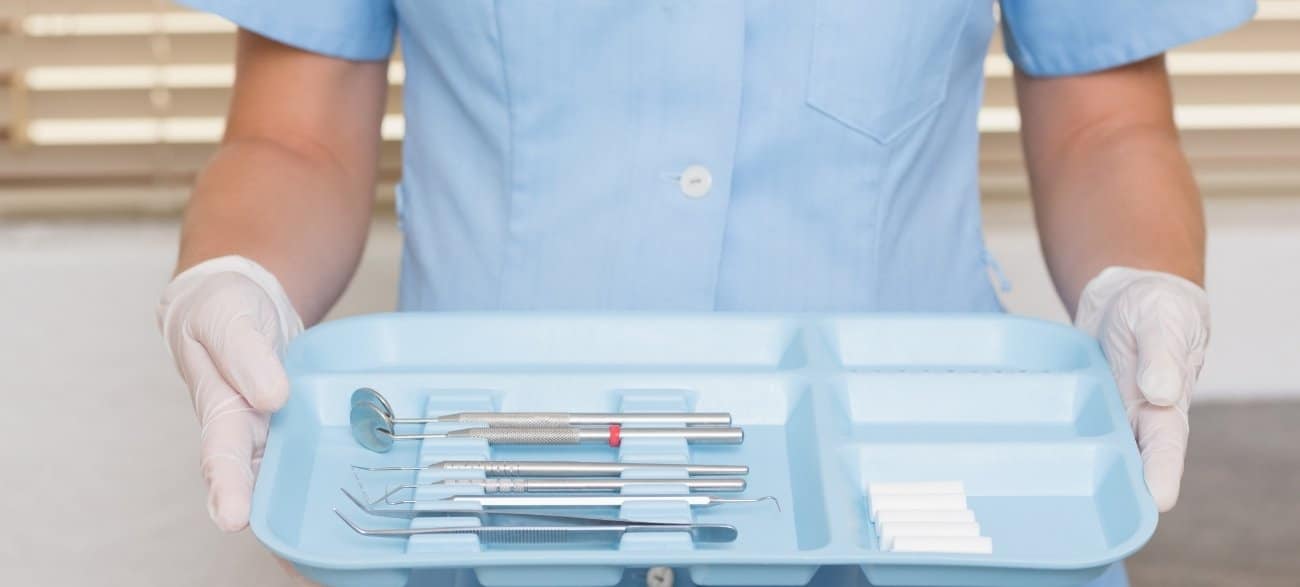
- Set up dental trays and prepare workstations.
- Assist in four-handed dentistry with a partner or mannequins.
- Learn how to pass instruments and suction properly.
This slightly more applied setting prepares you to bridge the gap between the classroom and direct patient care, giving you the confidence through a cycle of repetition.
3. Radiography and Imaging Training
X-ray training is essential to most dental assistant programs. Training will include:
- Safe operation of radiographic equipment.
- Taking clear intraoral and panoramic images.
- Proper patient positioning and radiation protection.
- Depending on the state, this training may additionally qualify you to sit for the radiology certification exam after graduation.
4. Externship or Real-World Clinical Experience
Many dental assisting training programs include an externship where you will assist in a working dental office. This phase helps students:
- Observe how a dental team works in a real-time arena.
- Assist with real patients while on supervision.
- Understand the rhythm and expectations of a fast-paced dental environment.
- Often, this is the most eye-opening section of the program, and it gives students a chance to shine in front of future employers.
5. Soft Skills and Professionalism
While being technically competent is essential, a good dental assistant must communicate well and have a proper attitude. The program usually teaches about:
- Techniques of patient interaction and comfort.
- Professionalism and confidentiality (HIPAA compliance).
- Basic front office procedures, like scheduling or updating charts.
These lessons will help you ensure that you are ready to be a respected member of any dental care team from day one.
6. Preparing for Certification and Career Launch
Getting close to graduation, the training program will guide you through the process of certification and preparation for a job. You may expect assistance with:
- Exam reviews for credentials such as RDA or CDA;
- CPR certification training;
- A class on conducting interviews, writing resumes, and preparing for job applications.
Dental assistant training is an exciting, fast-paced journey that gives you both clinical techniques and professional polish. From the first class to the last day of externship, you learn the real details that matter in a dental office. So, if you are detail-oriented, kind, and ready to jump into health care, dental assistant training programmes could be the right first step.